
Minesweeper: Tile Strategy on 55bmw
 Minesweeper
Minesweeper is a compact cards-category challenge for players who enjoy reading a board before committing to the next move. The 55bmw presentation keeps the idea simple: inspect the tile field, use the information around each reveal, and keep the session paced instead of rushing a guess.
The quickest answer is that Minesweeper suits a short, attentive session. A careful player can identify a safe opening, compare clues, and stop at a pre-set point without needing a long run. The Minesweeper Demo idea is useful for learning the visual language, while 55bmw Minesweeper gives the same focused theme a clear place in the wider lobby.
Read the Board, Then Start Minesweeper
Use the promotion entry when you are ready to explore the current game.
Other 55bmw Card Choices Near Minesweeper
RelatedThese real 55bmw cards-category records provide a nearby change of pace. Each tile is a promotion entry rather than a link to an unavailable detail page, so the choice stays quick on a phone.
 5 Card Poker
 Cards Hi Lo
 Coin Pusher
 Coin Toss
What the Minesweeper Tile Tells You Before a Round
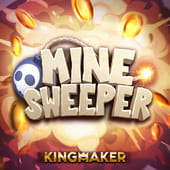
The local game artwork is the first visual checkpoint: it identifies the Minesweeper tile in the cards lane and signals a reveal-and-read experience rather than a reel spin or a live table. Look for the square field, the contrast between covered and exposed spaces, and the small symbols that turn a blank-looking board into a set of usable clues.
The same visual discipline helps when comparing the game with the related cards above. Poker rewards hand reading, Hi Lo emphasizes the next-card decision, and Minesweeper rewards a wider look at surrounding evidence. The image does not promise a result; it gives a reliable cue about the kind of attention the game asks for.
How a Minesweeper Round Moves from Scan to Result
The direct answer is a sequence of observation, selection, interpretation, and a deliberate finish. Minesweeper is easier to follow when every stage has a job, so a first-time player should not treat the board as a race against the clock. The pace comes from making the next decision with enough context.
- Set the frame. Decide how long the session will last and what a comfortable round means before opening the board. This keeps an interesting clue from turning into an automatic extension.
- Scan the opening. Start with the visible layout and identify spaces that offer the clearest information. A wide scan is more useful than staring at one attractive tile.
- Reveal with a reason. Choose a tile because nearby clues support it, not because the last reveal happened to be safe. Record the relationship between a number and its neighboring covered spaces.
- Mark the boundary. When the evidence points toward a dangerous area, treat it as a boundary. The best move can be leaving a tile alone while you resolve another part of the board.
- Recheck after a change. Every reveal changes the information available. Re-read adjacent numbers rather than carrying an old assumption into a new position.
- Close on the plan. Finish when the board is resolved, the chosen stopping point arrives, or the information becomes too thin for a confident move. A clean finish is part of the Minesweeper result.
Players who want to place this round inside the wider lobby can return to the 55bmw game hub after closing the board. That route is useful for changing category without confusing a navigation decision with a game decision.
Why Minesweeper Feels Focused on 55bmw
Minesweeper has a quieter competitive rhythm than a fast reel or a streamed table. The theme is a field of hidden information, and the experience comes from narrowing uncertainty one useful clue at a time. That makes the game attractive to players who enjoy a tactical pause between selections and want to explain why a move was made.
That experience also explains why a Minesweeper Demo can be a helpful introduction without replacing a considered session. A demo-style look teaches the board vocabulary; the 55bmw Minesweeper page gives visitors a practical way to judge whether the slower, clue-led rhythm fits their attention span. If the board feels too demanding, a card such as Coin Toss offers a simpler nearby choice without changing the rest of the 55bmw visit.
Minesweeper Notes That Prevent Early Errors
For a beginner, the most useful rule is to treat uncertainty as information. Do not force a reveal merely because a tile is available. Start with the clearest relationship, keep the session boundary visible, and let a pause be a valid choice when the board does not support a confident next move.
- Learn the symbols first. Know which visual state means covered, revealed, or marked before you make a selection. Confusing a marker with a clue creates an avoidable chain of errors.
- Count neighbors, not excitement. A number matters because of the covered spaces around it. Read the local group instead of reacting only to the most dramatic square.
- Keep one assumption at a time. If a safe tile depends on a guess, label it as a guess and look for another area where the evidence is stronger.
- Use a short practice target. A few deliberate decisions are enough to understand the Minesweeper rhythm. More time is not automatically more progress.
- Separate game reading from account choices. Payment, bonus, and access decisions belong outside the board. Read any terms before acting, and never let a close call decide a deposit.
When you are comparing access information, the 55bmw Bonus guide is the appropriate place to read promotional conditions. Keeping that information separate from Minesweeper clues makes both decisions easier to evaluate and supports a calmer 55bmw review of the overall visit.
Can Minesweeper Fit a Short Session?
Yes, if the player sets a clear stopping point before the first reveal. Minesweeper works well in a short window because the core loop is compact: scan, select, interpret, and stop. It is less suitable when someone is distracted, trying to recover a previous result, or unwilling to pause after an uncertain clue.
Open the board, read the first useful cluster, and make only the decisions supported by nearby information. Close at the end of the break even if one tile remains interesting.
Use a fixed number of rounds and pause between them. Review whether your reading improved rather than judging the entire session by one safe or unsafe reveal.
Do not start a clue-led board when notifications or interruptions will break your scan. A postponed round is better than a rushed decision made without context.
The practical choice is therefore about attention, not a promise of a result. If the answer to “can I watch the board for this whole window?” is no, wait. If the answer is yes, keep the first round small and let the experience tell you whether Minesweeper belongs in your regular rotation.
A Minesweeper Checklist for a Clear Choice
Use this final check before opening the promotion. It gives a quick answer to the practical question: does Minesweeper match the way you want to play right now? A “no” is useful data, not a failure; it simply points toward a different time or a different category.
- Attention: Can you inspect neighboring tiles without rushing?
- Time: Have you chosen a session length and an ending point?
- Clarity: Do you understand the difference between an exposed clue and an untested tile?
- Risk boundary: Will you leave an uncertain area alone instead of forcing a guess?
- Account separation: Have you handled any access or payment question before starting the board?
- Reset: Are you willing to stop, review, and begin fresh rather than chase a previous outcome?
For a longer competitive frame, the 55bmw Tournaments overview explains how scheduled activity differs from a compact Minesweeper session. The comparison is useful because it keeps a solo clue-reading game in its proper context: the board rewards attention to local evidence, while an event adds a wider timetable and participation rules.
In short, choose Minesweeper when you want a measured cards-category experience, a visible decision trail, and a natural point to close. Start with the real game tile above, keep the session bounded, and use the board's information rather than emotion to guide the next move.